Bridges and Music Therapy-
What is the connection?
Have you ever stopped to admire a bridge? Have you ever thought about how it was built and how many people have benefitted from it? Have you ever noticed how many different types of bridges there are? In fact, there are seven main types, each constructed according to purpose, yet each with unique features.
Here lies an extraordinary parallel with Music Therapy where the therapist works with specific needs of different client groups. Not only might sessions ‘look’ different with each client in terms of how music is used, but a course of Music Therapy will also vary in length and depth of work. A bridge created through sound with a child with profound and multiple learning disabilities may look very different to a bridge built together with a client with acute mental health diagnoses.
Connect and Invite
Bridges provide connection from one place to another. They invite us to move forward as well as step back, they are a meeting place. They can be beautiful or practical or even both.
For the Music Therapist the principal tools, whilst made of physical material, have the unique ability through sound to build a connection with a client, that supports them from moving from one place to another, over or across a metaphorical bridge.
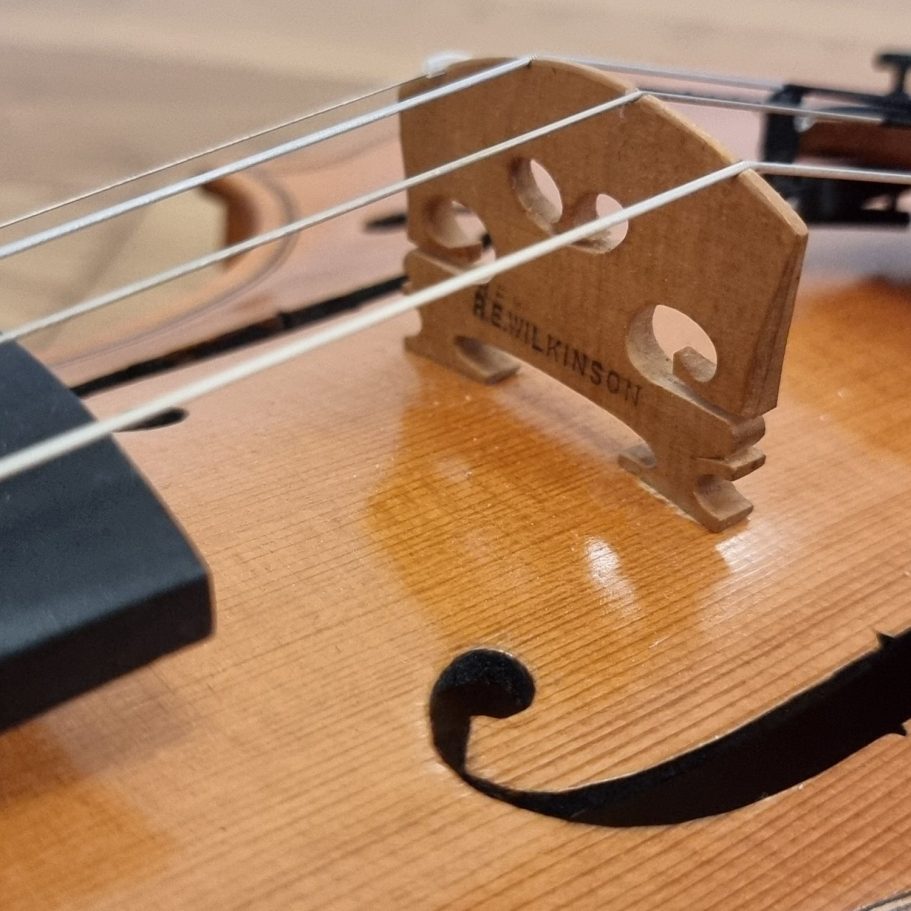
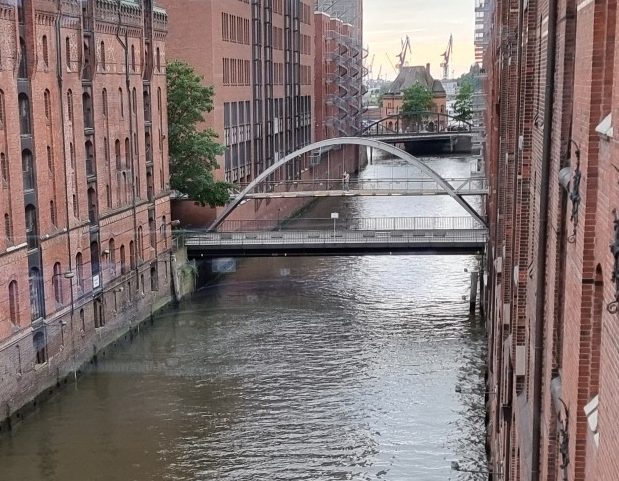
Bridge-building involves teamwork, collaboration and problem solving together.
A bridge is both purposeful and enabling. It provides a solution to finding a way for one to cross a terrain (river, road, railway) without stumbling upon the dangers that might otherwise have arisen. In Music therapy, the therapist is occupied with finding ways to meet with the client by building a therapeutic relationship together, using musical tools and elements.
Qualified Professionals
Bridge-building requires fully trained and qualified practitioners (engineer/music therapist) in order to build a strong foundation for a specific purpose based on differing levels of complexity (type of bridge/client-centred approach).
Spiritual and Psychological Connection
Bridges have many spiritual and psychological connections across many cultures. They have been associated with representations of progress, hope, aspiration, transition and for some a bridge represents moments in one’s life journey.
Comparing the 5 Stages & Processes
of Bridge-building
Building a Bridge
1. Planning
2. Construction of foundation
3. Building supportive structures with appropriate materials to achieve the goals
4. Finishing off with checking all elements of the structure including safety (eg ramps, testing etc).
5. Final inspection and commisssioning for public use
Check-in for maintenance
as necessary
Process of Music Therapy
1. Initial meeting
2. Assessment period of sessions
3. Exploring and using the appropriate musical tools through sound
4. Reviewing and consolidating therapeutic goals and preparing for an ending of therapy sessions.
5. Final session and integrating into community
Option to re-engage
as needed in the future