Examples of Music Therapy
with different client groups
Case work examples
Every client and client group is unique and therefore requires bespoke methods of intervention. However, there are also many methods, skills and approaches that are fully transferable. Below I offer you some examples of how I might work in different settings. Names are not linked with specific individuals.
Adult Mental Health
Working with Anne
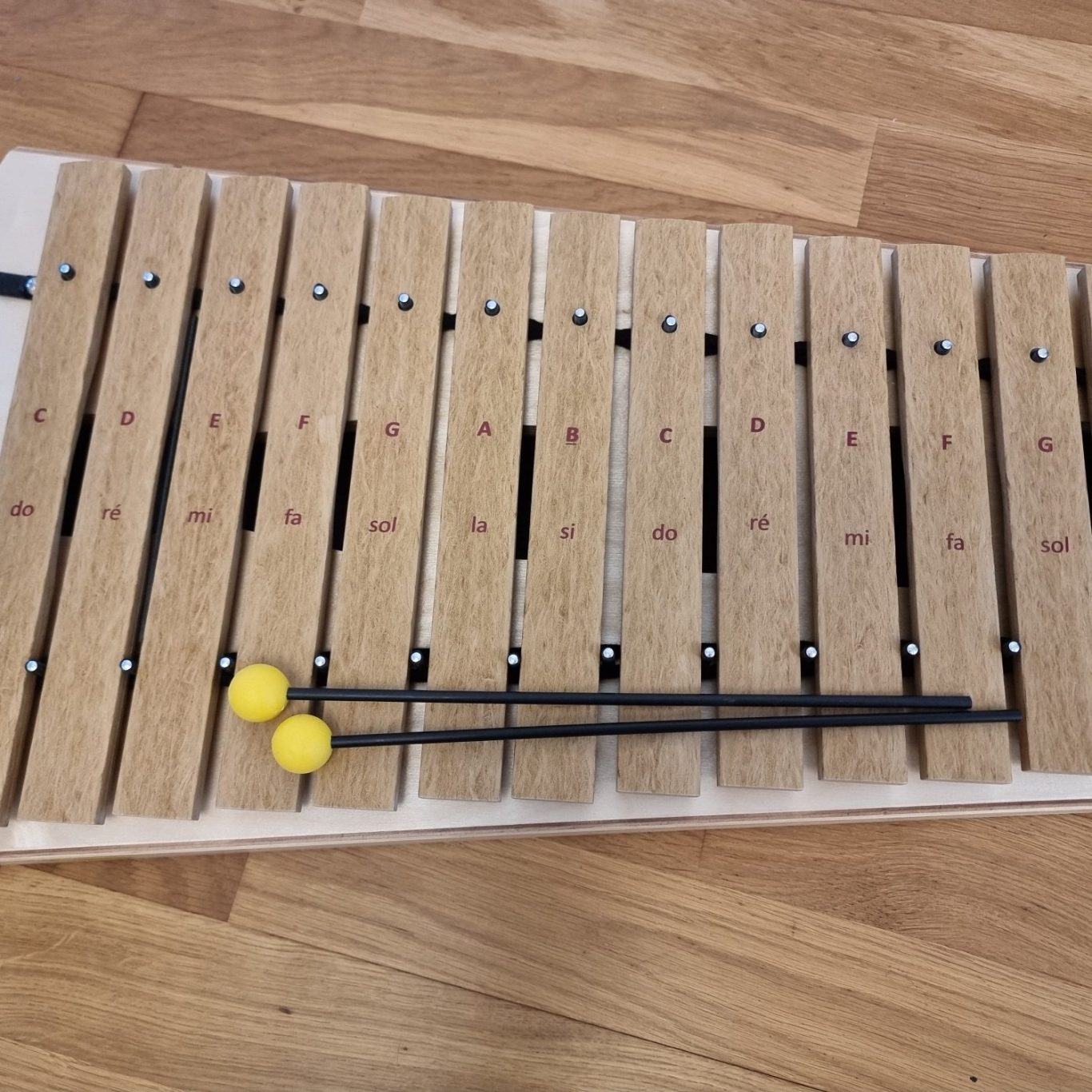
Anne attends weekly group music therapy sessions. Sometimes the group chooses to explore different emotions and feelings using instruments. Anne regularly selects the same instrument and plays extended cycles of short repetitive patterns unchanging in volume, rhythm or speed.
There is no visible indication of her awareness of others, as she holds the same gaze and posture. Anne appears locked into this experience. At the end Anne always offers the response ‘that was relaxing’ irrespective of how anyone else is playing and the intention of the improvisation for the group. I wonder about Anne’s playing and consider how this might be playing out an expression of her unconscious mind that feels trapped in a negative cycle. I am curious of how together, through musical improvisation we might be able to explore ways of breaking the cycle and introduce something new and positive. I also understand that this type of work takes time.
Profound disability
Connecting with Sam
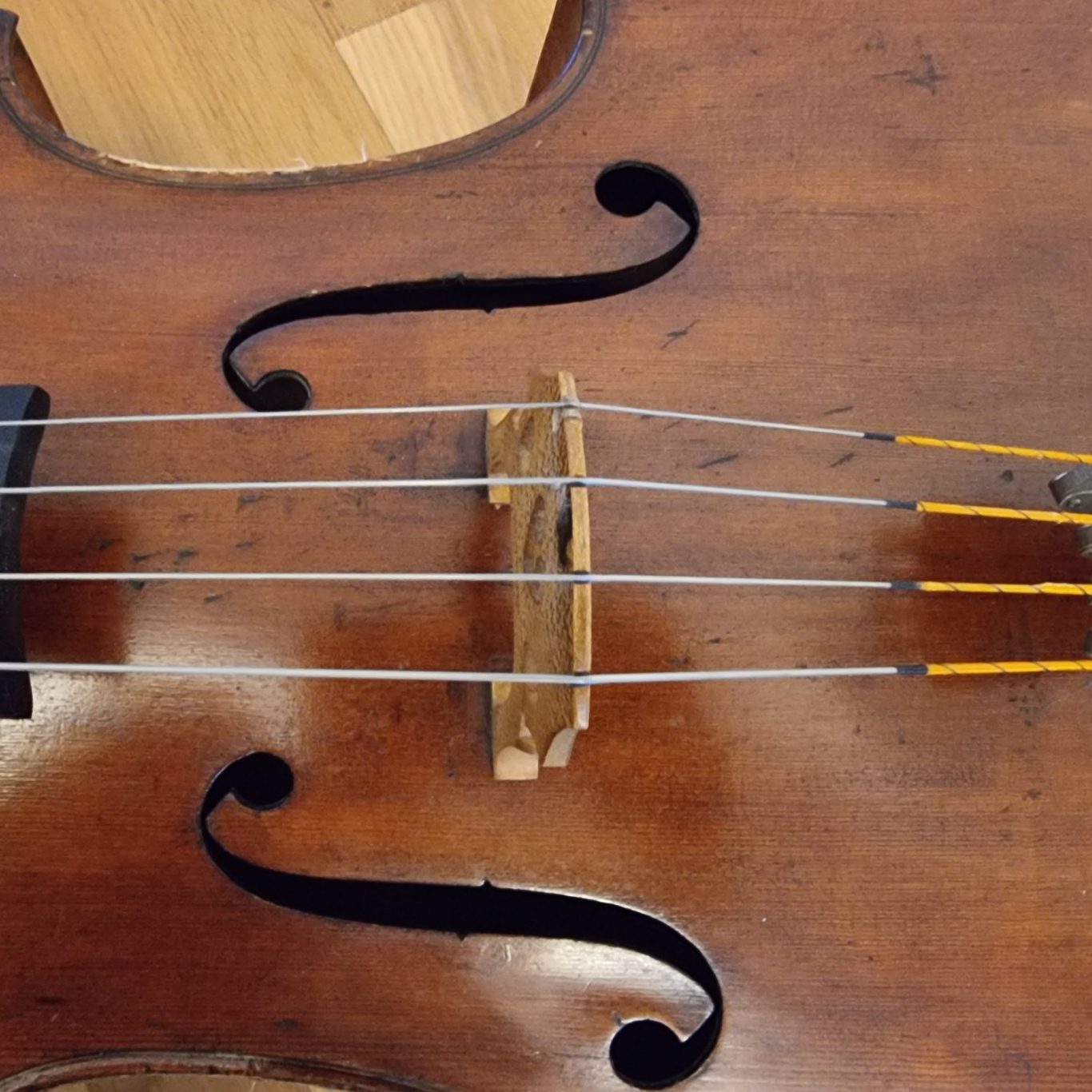
Sam is a young teenager with profound and multiple learning disabilities (PMLD). He was referred to Music Therapy to support social interaction and engagement. He receives weekly, individual sessions. He is non-verbal but shows great curiosity for things around him, switching between intense focus on interacting with me, to appearing to be locked in his own private world.
Sam loves my cello and as I hold the cello up towards him he starts by touching the wood, then plucks the strings, laughing and moving with the sounds. I engage in responding with vocal sounds and matching movements. We become deeply involved in a multisensory experience of the instrument, exploring the vibrations of the sound through touch, the different textures of the instrument and allowing the cello to be metaphorically transformed into a boat. Through building this therapeutic relationship we engage with other instruments.
We use a range of instruments to have musical conversations, first copying or mirroring each other then by what could be described as 'call and response', like a question/answer. I realise that it is no longer me initiating changes in the conversation as Sam changes the pace, volume and mood. He loves the playful nature of our time and I notice that his need for his own space for self-regulation has decreased.
Social and Emotional Regulation
Providing a safe space for Ava
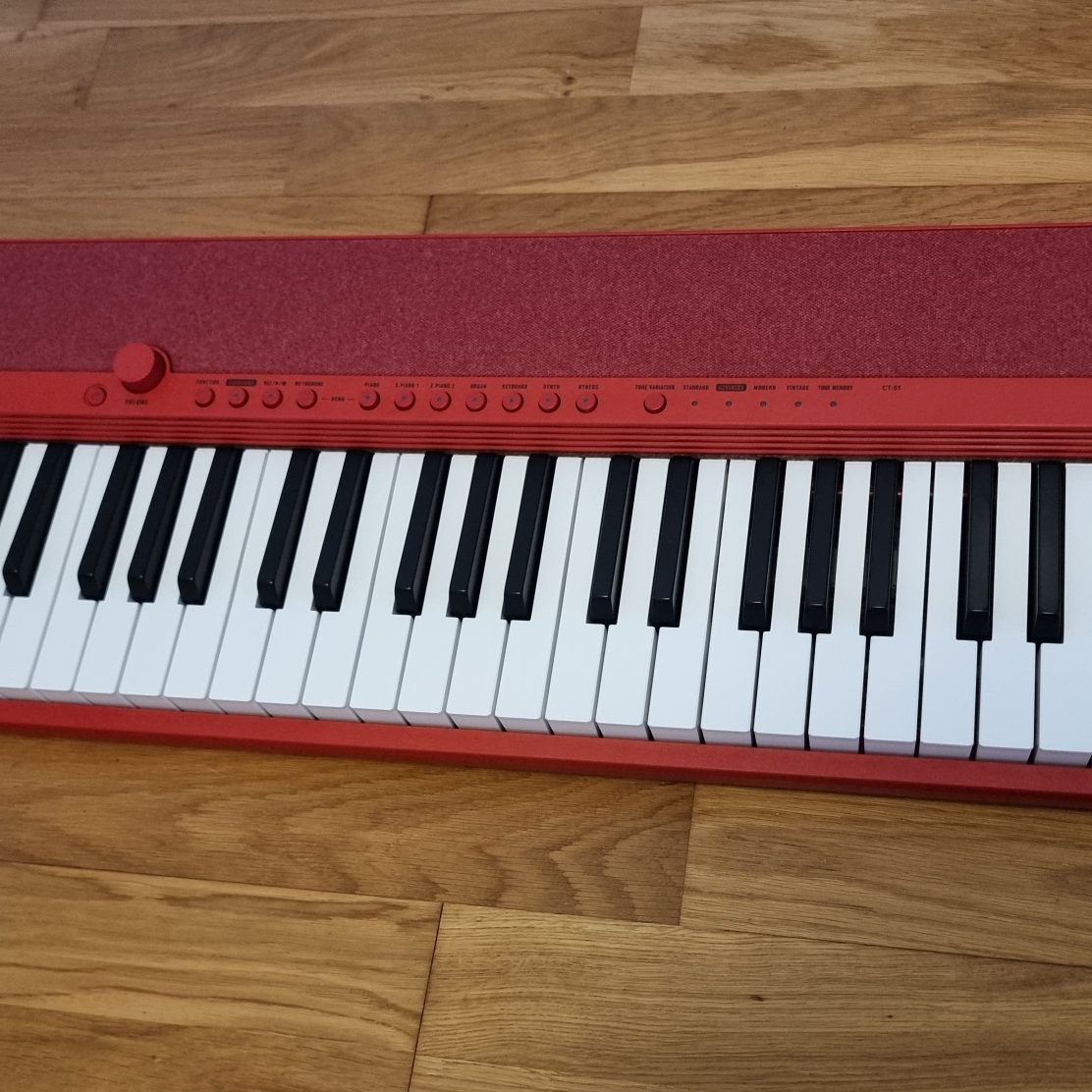
Ava (age 9) was referred to Music Therapy to support social and emotional regulation. She struggles to communicate verbally and shows frustration at not always being understood. Ava takes herself to the keyboard and allows me to sit next to her. She crashes both hands onto the keys, repeatedly creating a wide cluster of discordant sounds. Ava explores the whole upper and lower ranges of the instrument.
I sit alongside listening and giving her eye contact. She regularly looks at me in a way that suggests to me she is looking for approval. After a while I play alongside her at the lower end of the keyboard (deep register) to support her musically. I wonder how long she will keep up this loud and strong playing. I don't want to stop her as I have a strong sense that Ava needs to use the music in all its sound and physicality to express her frustrations.
I experience this as a deep sense of outpouring of emotion. My role at this moment is not to stop but to support her by providing a safe 'containing' space. I respond to her playing in moments when she stops. Gradually we play together. Ava is smiling. Her playing becomes more gentle for a while before returning to stronger playing. I want her to understand that this is a safe, non-judgemental space where the noise and intensity is ok.