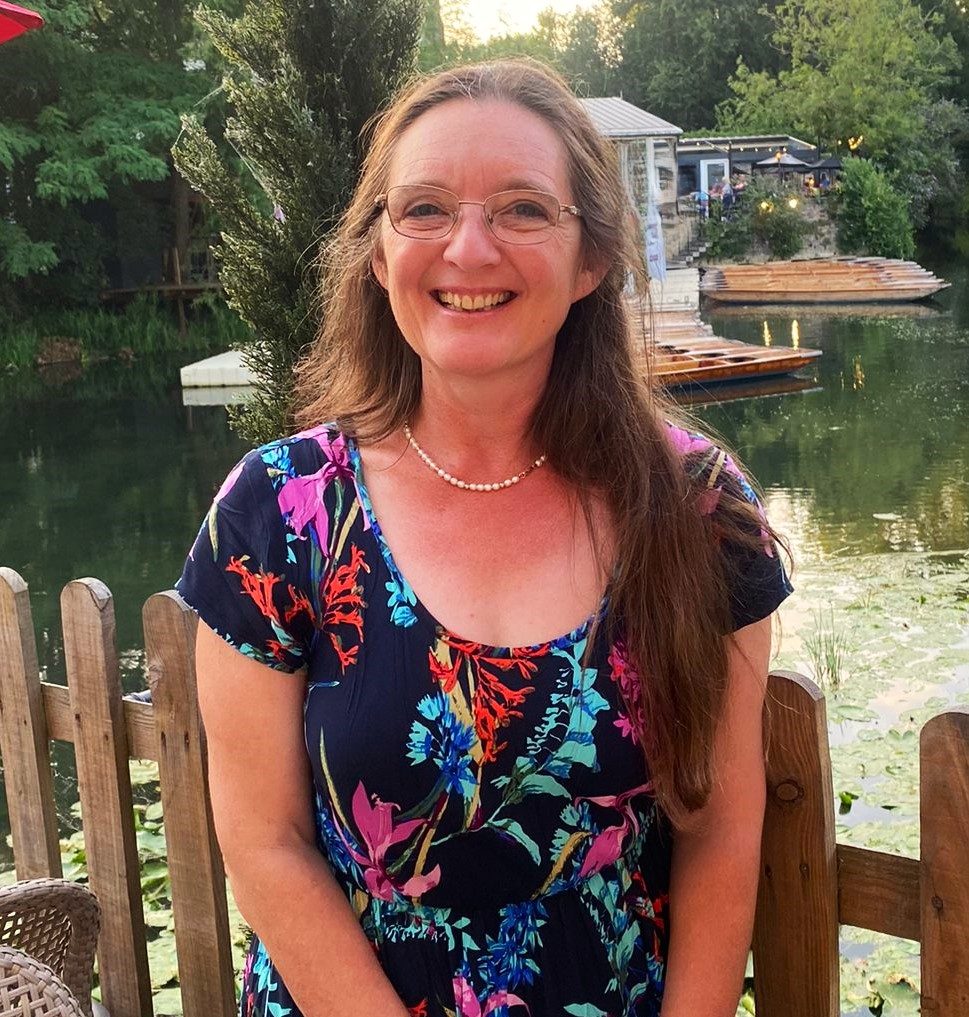
Welcome to my Music Therapy practice, based in Suffolk. I work with both children and adults adopting individualised approaches in Music Therapy to support many different needs in different environments. I welcome enquiries from collective organisations including schools, hospitals, community care, and care homes to provide services in a collaborative way in each setting. I also offer individual sessions in a clients home.
I am absolutely passionate about the power of music as therapy to support emotional, social and physical well-being as well as psychological, and both physical & learning difficulties or disabilities.
Welcome to Bridges Through Sound
Where Music Therapy is a place of multiple possibilities.
Please scroll down to learn more about Music Therapy
Why
Bridges Through Sound?
As crossing a bridge connects and provides a way to safely cross from one place to another, so Music Therapy is an invitation to explore and find ways using musical sound to connect with parts of ourselves and our lives.
Exploring Music Therapy
Overview
Answering key questions about Music Therapy
- What is Music Therapy
- Who is Music Therapy for?
- Where does Music Therapy take place?
- How does Music Therapy support different needs?
- What is improvisation in Music Therapy?
- What musical instruments are used?
What is Music Therapy?
- Evidence-based clinical intervention
- Addresses emotional, psychological, cognitive, physical, communicative and social needs.
Who is Music Therapy for?
- All ages & abilities
- All genders, cultures & social background
- All medical histories & diagnoses
- No previous musical experience, knowledge or skills are necessary.
Where does Music Therapy take place?
- Schools & other educational settings
- Hospitals including trauma and rehabilitation centres
- Mental health units
- Residential care homes
- Hospices
- Client's home
How does Music Therapy support different needs?
Music Therapy approaches are:
- Adaptable
- Personal
- Supportive
Interventions could involve:
- Playing instruments
- Singing
- Listening to music
- Talking about music
What is improvisation in Music Therapy?
- It is a spontaneous response through music that expresses a thought or feeling etc
- It can be like having a conversation using instruments rather than words
- It may involve instruments, voice and movement
- It is collaborative with therapist
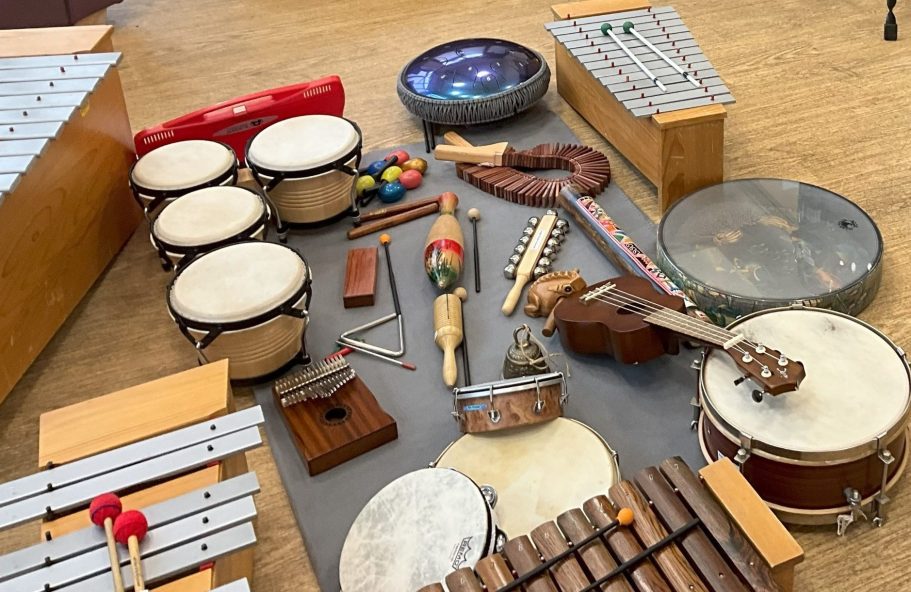
What musical instruments are used?
Carefully selected instruments that may include:
- Hand held percussion
- Tuned percussion (eg xylophone)
- Guitar, ukulele, keyboard
- Client's own instrument
How to start your journey with
Bridges Through Sound
1. Make Contact
2. Meet to discuss
3. Start sessions